
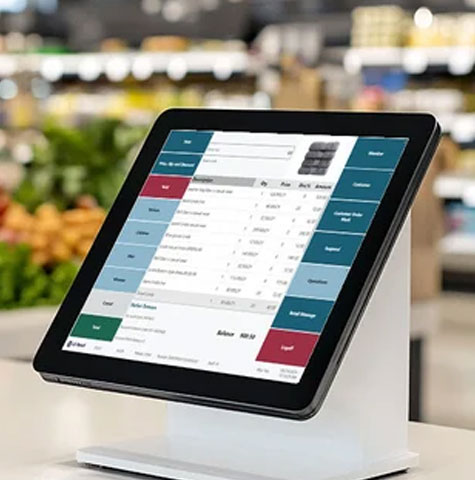
Retailing gives consumers the ability to purchase goods and services from various types of vendors. The first shopping stores in India were industrial stores and general shops. Products bought by Indians were exchanged for goods imported from China or made abroad in trading posts.
As settlements and towns grew, trade posts became general stores that started to sell food, farm products, and clothes. These shops, which usually belong to one person, were also the post office and were the social and business center of their communities.
Both a wholesaler and a producer require products to be sold. The supplier is a manufacturer and distribution agent wholesalers.
The wholesaler directly buys merchandise from the suppliers in vast quantities; stocks of products in warehouses, orders from customers are received (usually from local shops and directions on the delivery of the goods.
The shopping area consists of grocery markets, department stores, chainstores, specialty shops, convenience stores, franchise shops, postal shops, and online retailers.
Retail stores acquire their items from wholesalers, stock them, and distribute them to individual customers in limited amounts. Distributors should be aware of their customers' wishes and expectations and should make their brands attractive.
It is just the beginning of intent. Today, as retailers do, it becomes more critical. Buyers want significance and integrity and are more likely to opt with retailers who do what they do wisely.
At heart, any stakeholder is responsible for purchasing. It involves clients, employees, associates, and supporters and a significant new force on Earth.
Retailers have to develop customer trust, invest in their staff, share partners' shared values, and competitive growth for customers while taking sustainable care of the environment.
Distributors representing such customers benefit from a competitive advantage to achieve their objective. Let's start evolution. Let's continue development.
The use of innovative technological speed to achieve sustainable results is significantly beneficial to progressive CEOs. Nearly two thirds (63%) of technologies will be the main factor in the socio-economic impact of their businesses.
Innovation accelerates and facilitates the transition from end to end needed by more competitive retail firms.
In order to prevent trash and avoid harm and recycle processes, sustainability is essential. Yet technology makes this possible.
Another successful way to reduce transport costs is the automated approach in the retail business. While investment in capital is required, operating costs are considered to reduce.
Manual procedures may be replaced, but take a long time for an integrated system such as ERP. And you don't have to increase the amount as the retail sector grows.
The ERP can manage complicated tasks in different areas, such as revenue forecast, product surveillance, and production of repetitive invoices, payment collection, digital advertising, and much more. ERP, a cloud-based system for eCommerce businesses, also allows both the staff and you to work while at work. The program not only decreases operating costs, but also increases the performance and profitability of the business.